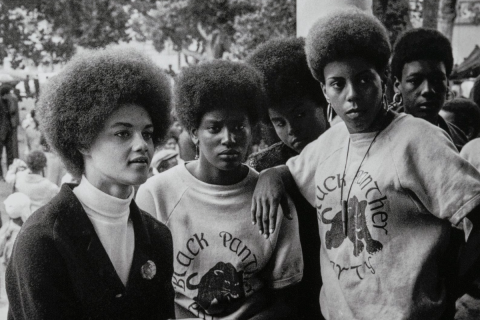
The history of the Black Panther Party is a long and complex one, complicated by internal struggles like misogyny, member infighting, a loss of leadership, and external forces like the FBI's COINTELPRO operation and police raids. The Black Panthers are still widely viewed as a solely violent, male-dominated militant revolutionary group, but the party's community aid programs and ideals regarding community-based activism created a lasting legacy we still see today—a legacy cemented by women in the Panthers' ranks.
Seattle's Black Panther History
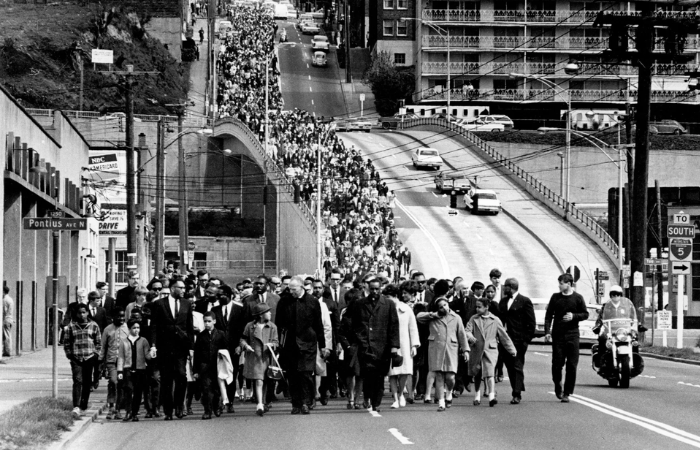
The Black Panther Party (originally called The Black Panther Party for Self-Defense) was founded in 1966 by activists Huey P. Newton and Bobby Seale in Oakland, California during the Civil Rights Movement. After the assassination of Dr. Martin Luther King Jr. and the killing of Black Panther member Bobby Hutton by Oakland police, activists and brothers Aaron and Elmer Dixon created the Seattle Black Panther branch, which was the first chapter formed outside of California (and later became the longest-running Panther Cadre outside of Central Headquarters).
As part of the Black Panthers' Ten-Point Program, which laid out the party's values regarding freedom and equality, Seattle's chapter created community-based services (referred to as Community Survival Programs) that worked to address the many social inequities that existed and remained unaddressed by local and national governments. One such service was a baby wellness and sickle-cell anemia testing clinic that later became the Carolyn Downs Family Medical Center, the only health care clinic still in operation out of the original 13 the Black Panther Party founded across the country.
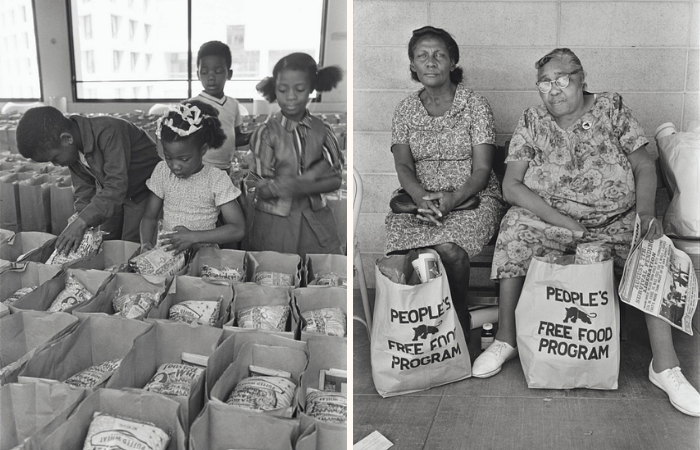
Following the steps of the founding branch, Seattle Panthers also created their own Free Breakfast Program for kids, which was the party's most popular survival program. Elmer Dixon, who was the keynote speaker at our Until Justice Just Is event last year, recalls that, "We fed 2,000 kids a week a hot breakfast out of five locations in Seattle, and thousands of kids across the country. We ended up embarrassing the federal government to launch free lunch programs. People think it was the federal government that started that – it was the Black Panther Party that set that example." The Free Breakfast Program fed thousands of children every day with 45 Black Panther Party chapters across the country at its peak, and despite the eventual decline of the organization, it paved the way for the USDA’s School Breakfast Program, which became permanent in 1975.
Women in the Black Panthers
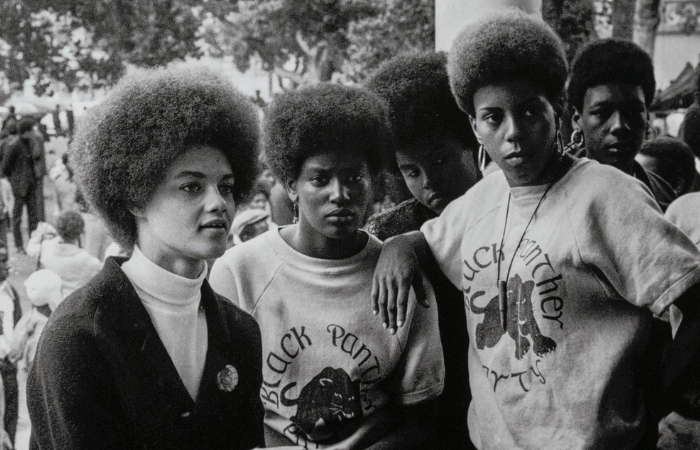
The Black Panther Party struggled with gender equality internally while it fought for racial equality externally, and this divide is cited as one of the many problems that lead to the organization's eventual demise. Elaine Brown, who later became the first and only female chairman of the Black Panthers in 1974, said that women were widely considered irrelevant at best and a pariah at worst within the party. Kathleen Cleaver, who grew into a leadership role within the party over time, stated that this problem arose from "the idea that Black men and women’s objectives directly conflicted with one another" and that "in a struggle between self-improvement and improvement of the race as a whole, many Party leaders believed that if men were trying to regain their manhood and power, women’s empowerment and expanded leadership opportunities ultimately defeated the purpose.”
As Kimberly Crenshaw put it in her essay on the intersection of race and sex, "Because the intersectional experience is greater than the sum of racism and sexism, any analysis that does not take intersectionality into account cannot sufficiently address the particular manner in which Black women are subordinated." In other words, there can be no racial justice without gender justice, and no gender justice without racial justice.
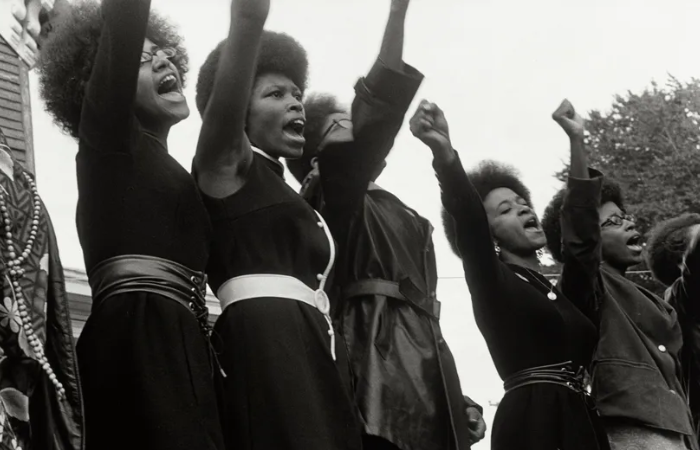
Many branches actively tried to correct this problem, as the Black Panther's Minister of Culture Emory Douglas remembered in a 2015 interview interview with Socialist Worker: "We had to deal with the issues of chauvinism in the Black Panther Party by having political education classes, and those brothers who didn’t want to work under women or were using the 'b-word'—those things that cause the deterioration of party—had to be corrected. Because women demanded that. So when those brothers did that and refused to listen to sisters, they were required to take orders from sisters to learn to respect them as their comrades."
Although the misogyny in the Black Panthers Party was reflective of the misogyny in the world outside of it, within the party, some women felt empowered to challenge such treatment. By the late 1960s, women consisted of 60% or more of the party's central body, though this was partially due to the dismantling of male leadership as members were arrested, killed, or forced to go into hiding.
Seattle Black Panther Women
Women left a huge impact on the Black Panther Party, but their importance is often as forgotten and overlooked today as it was back then. Here is a closer look at the lives of six Seattle women who were part of the Seattle Black Panther Party.
Carolyn Downs
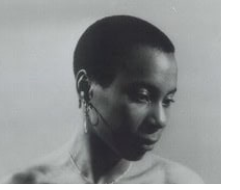 “[Carolyn Downs] was the culmination of all the effort, the work, the pain, the struggles we’d gone through to establish a community institution for the black community … it’s the legacy of the Seattle Black Panther Party.” (Elmer Dixon, Carolyn Downs co-founder)
Carolyn Downs joined the Black Panther Party at the age of 19, working for their various survival programs and helping at the free medical clinic, which offered baby care to Black community members and testing for sickle cell anemia, a disease that disproportionately effects Black individuals. She worked alongside Elmer Dixon to secure government funding for clinics, but died from cancer at the age of 25 before the clinic fully opened. The Carolyn Downs Family Medical Center was named in her memory.
Dr. Phyllis Noble-Moble
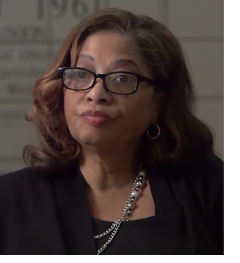 "Through the Black Panther Party, we had a voice that we never had before, and sticking together like a whole community brought on a lot of changes in ourselves and in the community."
Dr. Phyllis Noble-Mobley joined the Black Panther Party when she was 15 years old. Her whole family joined when the Black Panthers came into contact with her brothers, who were arrested after the police attacked them and their mother. She helped out at the Seattle headquarters after school by answering phones and doing community outreach for the Free Breakfast Program. She says the Black Panther Party made her feel like she could do almost anything, and that mindset helped her start a business and earn her doctoral degree.
Frances Dixon
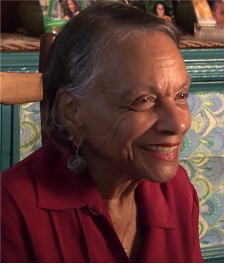 "We were young, and whatever [Aaron and Elmer] did, we supported them, because we knew they were no criminals. It was legitimate; they had a legitimate reason to do what they did."
Frances Dixon is the mother of Seattle Black Panther co-founders Aaron and Elmer Dixon. She worked as a medical assistant at Virginia Mason and Group Health, and she supported her family and her activist children during a time when Seattle was still an intensely segregated city.
Vanetta Molson-Turner
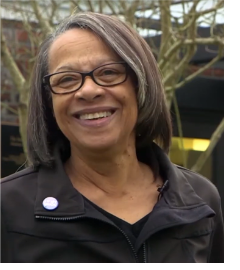 "I believe that women joined the Black Panther Party because of the survival programs. More so because we're willing to do the work, we're willing to help our folks, our kids, and we want everyone's lives to be better, so we joined, and we do the work. But surprisingly, we weren't pushed into the kitchen to cook, clean, polish—none of that stuff. [...] It was shared duties."
Vanetta Molson directed Seattle's Black Panther Survival Programs. She joined the party in 1969 at the age of 19 because she saw a need for change, and she liked the work that the Panthers were doing for the community. She believes that the current generation of activists are becoming leaders in their own right.
Winona Hollins Hauge
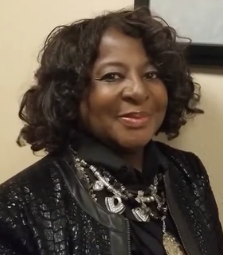 "I believe that, at the very core of my being, that the early-influence of the Black Panthers made a difference on how I show up, how I speak up, and how I stand up in my life, and I’m a much better person. [...] Why it’s important to exercise your rights, why it’s important to stand up, why it’s important to show up and speak up– all that was training that I got from the Black Panthers.”
Winona Hollins Hauge joined the Black Panthers in her freshman year of high school after being invited by her friend Carolyn Downs, who was already a member. Although she didn't consider herself a central member of the party and she wasn't active for long, Winona admired how the Panthers worked as a collective and didn't worry about the boundary of trouble, if it was the right thing to do. She got involved with student government and helped the Black Panthers collect donations for the Free Breakfast Program.
Youlanda Givens
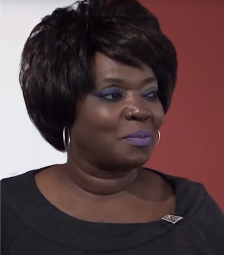 "I felt like the male was more the leadership role [in the Black Panthers] and that the female role was more like of support, [but] if you felt like you wanted to have a more stronger role or presence in the Party, I think that there was openness for that as well. There certainly were some strong women presence in the Party, and I felt like if there was kind of like a glass ceiling in that way, I wasn't aware of it at that time."
Youlanda supported the Black Panther Party by raising funds for the Free Breakfast Program and selling Black Panther Party newspapers to get the word out about their organization. She bought supplies and helped prepare meals for the Free Breakfast Program, and she enjoyed seeing kids heading to school with a full stomach and smiles on their faces. Youlanda eventually left the Black Panthers when their Oakland headquarters created new mandates regarding the interactions of men and women that she didn't agree with.
Listen to commentary from Elmer Dixon and various other community leaders as they talk about the Black Panthers' work and other current and past social justice movements on our YouTube page, and register for this year's Until Justice Just Is event.

Ana Rodriguez-Knutsen is the Content Specialist for YWCA's Marketing & Communications team. From fiction writing to advocacy, Ana works with an intersectional mindset to uplift and amplify the voices of underrepresented communities.
We share the stories of our program participants, programs, and staff, as well as news about the agency and what’s happening in our King and Snohomish community.
